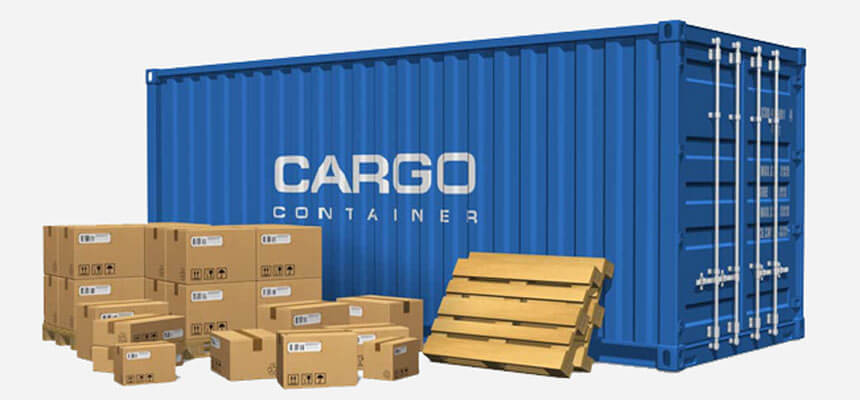
The rapid expansion of international trade has transformed the logistics industry, creating a growing demand for efficient, reliable, and scalable shipping solutions. Within this evolving landscape, Jingdong Consolidation Group Shipping has emerged as a concept associated with streamlined cargo handling, consolidated freight services, and advanced logistics coordination. As global commerce continues to connect markets across continents, consolidation shipping plays an increasingly important role in ensuring goods move efficiently from suppliers to consumers.
Jingdong Consolidation Group Shipping represents a logistics approach focused on combining multiple shipments into a single transport process 京東集運. Rather than shipping goods individually, consolidation allows companies to group cargo from different clients or suppliers into shared containers. This method improves efficiency, reduces transportation costs, and maximizes the use of available cargo space. Businesses benefit from lower expenses while maintaining dependable delivery schedules, making consolidation shipping a practical solution in competitive markets.
One of the primary advantages of Jingdong Consolidation Group Shipping lies in cost optimization. International shipping expenses can be significant, especially for small and medium-sized businesses that do not ship large volumes regularly. Consolidation services enable smaller shipments to share transportation resources, allowing companies to access competitive freight rates typically reserved for large-scale exporters. This approach supports business growth by lowering logistical barriers to global trade.
Efficiency is another defining characteristic of consolidation shipping systems. By organizing shipments at centralized warehouses, logistics providers can coordinate packing, labeling, and documentation processes more effectively. Jingdong Consolidation Group Shipping emphasizes structured workflow management, ensuring cargo is sorted accurately and dispatched according to optimized shipping routes. This level of organization minimizes delays and enhances supply chain reliability.
Technology integration has become a cornerstone of modern logistics operations. Digital tracking systems, automated inventory management, and data analytics allow shipping providers to monitor cargo movement in real time. Jingdong Consolidation Group Shipping often relies on advanced logistics software that enables clients to track shipments, receive updates, and manage delivery expectations with transparency. Real-time visibility improves customer confidence and allows businesses to plan operations more effectively.
Warehouse consolidation hubs play a crucial role in this shipping model. Goods from different suppliers are collected at strategic locations before being combined into larger shipments. These facilities are designed to handle sorting, packaging, and quality inspections efficiently. Proper warehouse management ensures that consolidated cargo remains organized and secure throughout the shipping process, reducing the risk of damage or misplacement.
Another important aspect of Jingdong Consolidation Group Shipping is flexibility. Businesses today operate in fast-changing markets where demand patterns can shift quickly. Consolidated shipping allows companies to adjust shipment volumes without committing to full container loads. This adaptability helps businesses respond to seasonal demand, market trends, and inventory requirements without excessive logistical costs.
Environmental sustainability has also become an essential consideration in modern shipping practices. Consolidation reduces the number of partially filled containers traveling across global routes, which helps lower fuel consumption and carbon emissions. Jingdong Consolidation Group Shipping supports greener logistics by maximizing cargo capacity and minimizing unnecessary transportation. As environmental awareness grows, such efficient shipping models contribute to more sustainable global trade practices.
Customs clearance and documentation management are critical components of international logistics. Consolidated shipping services often include professional handling of customs procedures, ensuring compliance with import and export regulations. Jingdong Consolidation Group Shipping emphasizes accurate documentation to avoid delays, penalties, or shipment disruptions. Efficient customs processing allows goods to move smoothly across borders, maintaining supply chain continuity.
E-commerce growth has further increased the importance of consolidation shipping. Online retailers frequently source products from multiple suppliers located in different regions. Consolidation services simplify logistics by gathering goods into unified shipments before distribution. Jingdong Consolidation Group Shipping supports e-commerce operations by enabling faster inventory replenishment and more predictable delivery timelines, which are essential for maintaining customer satisfaction.
Risk management is another key advantage of consolidated logistics systems. Professional shipping providers implement standardized handling procedures, secure packaging practices, and insurance options to protect cargo. By centralizing operations, Jingdong Consolidation Group Shipping reduces the likelihood of shipping errors and enhances accountability throughout the supply chain.
Collaboration between logistics partners is essential for successful consolidation shipping. Freight forwarders, warehouse operators, transportation companies, and customs agents must work together seamlessly. Jingdong Consolidation Group Shipping reflects a coordinated logistics ecosystem where communication and cooperation ensure efficient cargo movement from origin to destination.
The role of data analytics continues to expand within shipping operations. Logistics providers analyze shipping patterns, transit times, and cost structures to improve performance. Predictive analytics helps optimize routes and anticipate potential disruptions, enabling proactive problem-solving. Jingdong Consolidation Group Shipping benefits from these technological advancements by continuously refining operational efficiency.
Customer service is another factor influencing the success of consolidation shipping models. Businesses rely on responsive communication and clear updates throughout the shipping process. Reliable logistics providers offer dedicated support teams that address inquiries, resolve issues, and provide shipment guidance. Strong customer service strengthens trust and builds long-term partnerships between clients and shipping providers.
Urbanization and globalization have reshaped supply chain expectations, requiring faster and more efficient delivery systems. Jingdong Consolidation Group Shipping aligns with these demands by combining traditional freight management with innovative logistics solutions. The integration of automation, digital platforms, and coordinated transport networks ensures goods reach markets efficiently despite increasing logistical complexity.
Security measures are equally important in consolidated shipping operations. Warehouses and transport systems employ surveillance, tracking technology, and standardized handling procedures to safeguard cargo. Secure logistics practices protect both valuable goods and sensitive commercial information, ensuring reliability throughout international shipping processes.
Another significant advantage of consolidation shipping is improved inventory management. Businesses can coordinate shipments based on production schedules and market demand, reducing excess inventory storage costs. Jingdong Consolidation Group Shipping enables companies to maintain lean supply chains while ensuring products remain available when needed.
As global trade continues to expand, the demand for efficient logistics solutions will only increase. Consolidation shipping provides a scalable model capable of supporting businesses of all sizes. Whether serving manufacturers, wholesalers, or online retailers, Jingdong Consolidation Group Shipping demonstrates how coordinated logistics strategies can simplify complex international transportation systems.
Innovation remains central to the future of shipping and logistics. Emerging technologies such as artificial intelligence, blockchain tracking, and automated warehouse systems are expected to further enhance consolidation operations. These advancements will improve transparency, reduce administrative burdens, and increase operational speed, strengthening the effectiveness of consolidation-based logistics models.